For couples who want to be together in Australia but are currently living apart. The Partner visa (subclass 309/100) is for people in a de facto relationship or married to an Australian citizen, permanent resident, or eligible New Zealand citizen, currently living outside Australia.
The same sponsorship rules apply offshore as onshore: your partner can sponsor a maximum of two partners in their lifetime, and generally cannot lodge a fresh sponsorship within five years of an earlier one, regardless of whether that earlier application succeeded, was refused, or was a Prospective Marriage visa that didn’t proceed to marriage. As with the onshore visa, the relationship is assessed against financial, household, social and commitment evidence — a marriage certificate or statutory declaration on its own is never treated as sufficient.
You're in a de facto relationship or married to an Australian citizen, permanent resident, or eligible New Zealand citizen
You're residing outside Australia at the time of application
Your partner sponsors you and provides a sponsorship application
You meet health and character requirements
You have no outstanding debts to the Australian government
Questions or need a hand at any point in the process — our team is here for it
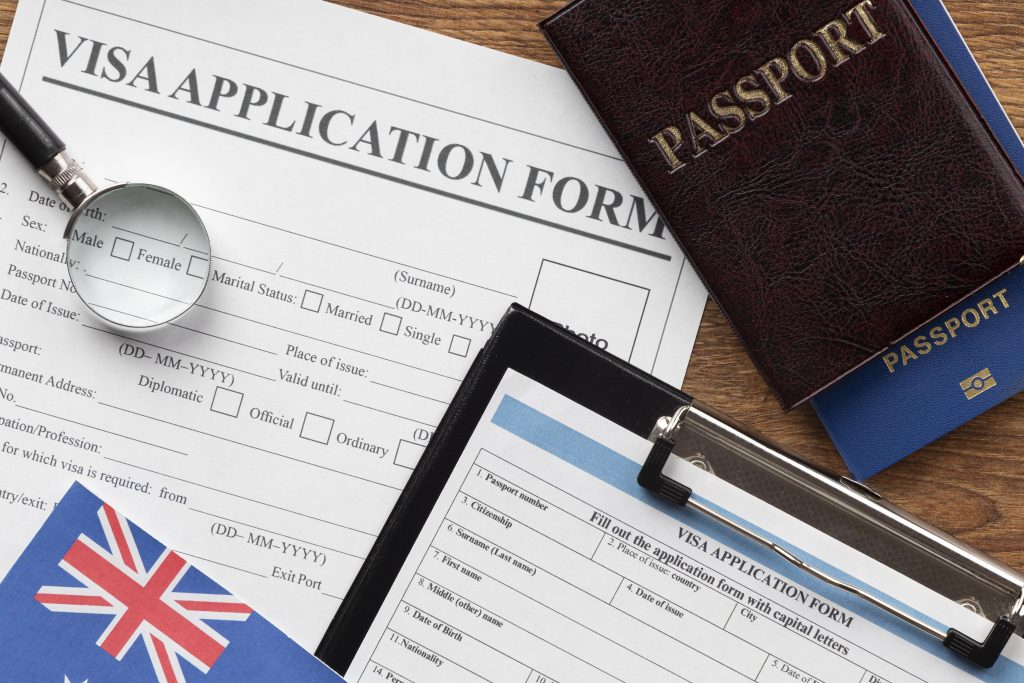

The permanent subclass 100 stage is generally assessed around two years after the temporary 309 is granted. Couples with a combined relationship of 5 or more years, or 2 or more years with a dependent child of the relationship, may be eligible for the permanent stage to be finalised without that standard wait. The family violence provisions available for onshore applicants also apply offshore where the relationship genuinely existed before it ended.
Living apart from your Australian partner? Let’s talk through the offshore Partner visa pathway and what your specific
application will need.